






List of Mobile Phones that Support eSIM
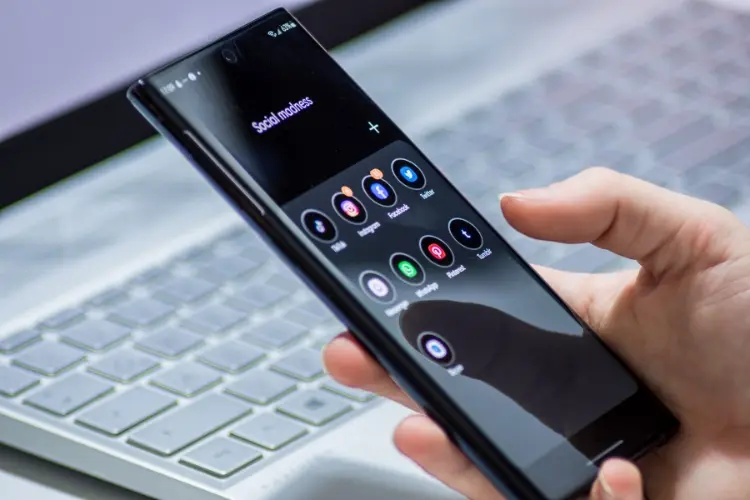
In recent years, a groundbreaking technology has emerged in the world of telecommunications: eSIM, now built into a growing number of mobile phones that support eSIM. This feature is no longer just an extra option, but has become an essential element in modern smartphones.
It provides users with unprecedented freedom in managing their lines and switching between networks quickly and easily. With the growing reliance on mobile phones in our daily lives, it has become necessary to understand what eSIM is, its importance, and which phones — such as Samsung, Vivo, and Realme — support it, along with answers to the most frequently asked questions surrounding it.
What Is eSIM?
Relying on traditional SIM cards is no longer as practical as it once was. This is where eSIM, or embedded SIM, came into play, creating a major shift in the way we connect to the world. Unlike the plastic SIM card that must be inserted into the phone, the eSIM comes built into the device itself and is activated electronically without the need for any physical card.
This feature means you can change your service provider or add a new line with just a few taps from the phone settings, without the hassle of searching for a SIM card or visiting a telecom store. In short, it is a SIM card — but smarter, safer, and far more flexible.
The Importance of Mobile Phones That Support eSIM
The shift toward mobile phones that support eSIM is no longer a luxury, but a necessity, especially with the increasing dependence on the internet, travel, and remote work. Phones equipped with this technology give users flexibility and speed in managing their lines, along with practical benefits such as:
- Seamless network switching: Purchase a local plan online and activate it instantly while traveling, without needing to buy a new SIM card at the airport.
- Higher security: An eSIM cannot be lost or physically damaged, and it can be deactivated remotely if the device is lost.
- Advanced design: Removing the traditional SIM slot allows for better water and dust resistance, while giving manufacturers the freedom to create thinner, lighter phones.
These advantages make eSIM-enabled phones the perfect choice for today’s users — whether it’s a business professional constantly on the move, a traveler looking for easier communication, or simply someone who wants more flexibility in managing their lines.
📌 A quick note before you dive in: eSIM support can vary depending on the exact device model, region, and carrier — even within the same phone series. Always confirm compatibility with your carrier (STC, Mobily, or Zain) before purchasing.
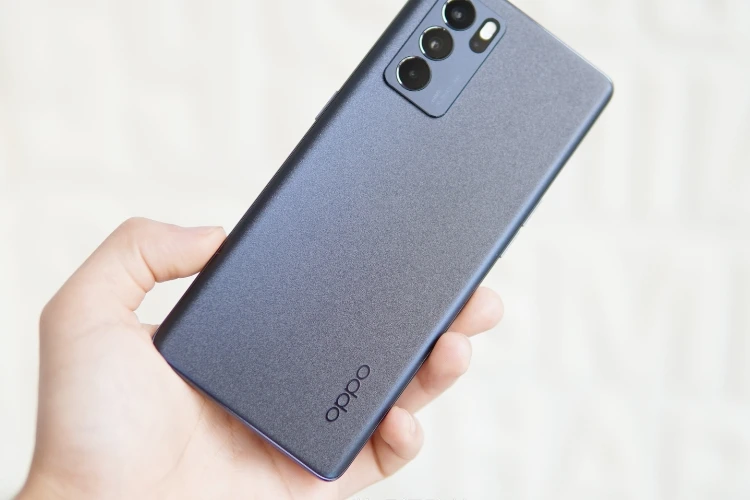
Samsung Phones That Support eSIM
Samsung was one of the first brands to adopt eSIM technology in its flagship smartphones, and if you’re a Galaxy user, most of the brand’s recent devices support this feature. The most notable include:
- Galaxy S Series: Supported from Galaxy S20 through the current Galaxy S25 lineup, including the Plus, Ultra, and FE editions.
- Galaxy Note Series: Including the Note20 and Note20 Ultra.
- Foldable phones: Galaxy Z Fold and Galaxy Z Flip, across recent generations up to the latest models.
- Galaxy A Series: The A56 combines affordability with eSIM support alongside a traditional SIM slot.
This range means Samsung offers eSIM support across a wide span of price points — from flagships down to more accessible mid-range devices.
Vivo Phones That Support eSIM
Vivo has also brought eSIM support to its higher-end lineups. Flagship X-series models (like the X100 Pro and X200 series) and select V-series devices now ship with eSIM as standard, giving users the same digital-SIM flexibility found on premium Samsung and Apple devices — though, as with other brands, support is generally limited to Vivo’s higher-tier models rather than the full lineup. Browse the full range of Vivo Mobile devices available now.
Realme Phones That Support eSIM
Realme has also stepped into the eSIM space with some of its newer models. The Realme 14 Pro+ and Realme GT 7 are among the devices reported to support this technology. While Realme’s eSIM lineup is still smaller than Samsung’s or Apple’s, its entry into the space signals that wider adoption across the brand is likely in the near future.
Conclusion
eSIM isn’t just an alternative to the traditional SIM card — it’s the future of smart connectivity. It offers freedom, speed, and security, while keeping your phone in step with today’s fast-paced digital lifestyle. With major brands like Samsung, Vivo, and Realme all expanding their eSIM lineups, it’s clear that upcoming smartphones will increasingly rely on this technology.
If you’re considering a new phone, make sure it supports eSIM in your region so you can enjoy a more flexible, hassle-free connectivity experience. Get yours from fmp today and benefit from exclusive offers on the latest eSIM-ready devices.
Frequently Asked Questions
Which phones support eSIM?
Many flagship phones worldwide now support eSIM, including all iPhone models from the iPhone XS/XR generation onward, the Galaxy S series from S20 onward, recent Google Pixel phones, and select models from Vivo, Realme, Huawei, and Motorola.
How do I know if my device supports eSIM?
Open your phone’s settings and look for “Add eSIM” or “Manage digital SIMs.” You can also dial *#06# — if an EID number appears, your device supports eSIM.
Do Samsung phones support eSIM?
Yes. Samsung has supported eSIM since the launch of the Galaxy S20 and has continued to include it in most of its flagship and foldable devices, as well as select mid-range models like the A56. Availability can still vary by exact model and region, so it’s worth double-checking before you buy.